
How Arrest Warrants Work in Scott County
A warrant is a court's written power to arrest. Scott County warrants come from the District Court. Before signing, a judge reviews a charging document for probable cause. A complaint can grow out of a citation or a police investigation. A grand jury may return an indictment instead. The warrant itself stays narrow. It names the person, describes the offense, and lists the release terms the court set. Its authority covers custody and the next appearance. For warrant questions, the county's public contact is the Sheriff's Office Warrants Unit, which sits inside the Jail Division and takes calls. The court keeps the file that explains what any Scott County warrant is for.
Arrest Warrants: What They Contain
Minnesota Rule of Criminal Procedure 3.02 lists what a warrant must say. Those same elements surface in the public case record for a Scott County defendant.
| Defendant | The person's name or a description that identifies them |
|---|---|
| Offense | The charge, its statute, and its classification level |
| Issuing Court | Scott County District Court and the judge or magistrate who signed |
| Case Number | The District Court file, plus any related citation, ICR, or complaint number |
| Bail or Release Terms | A bail amount, an appearance-only bond, a condition, or a no-bond notation |
| Timing | Issue date, service and return, and the next hearing |
| Executing Agency | The officer or agency that serves it and certifies the return |
The official forms index at mncourts.gov lists the warrant and bail papers Minnesota courts use in a Scott County case.
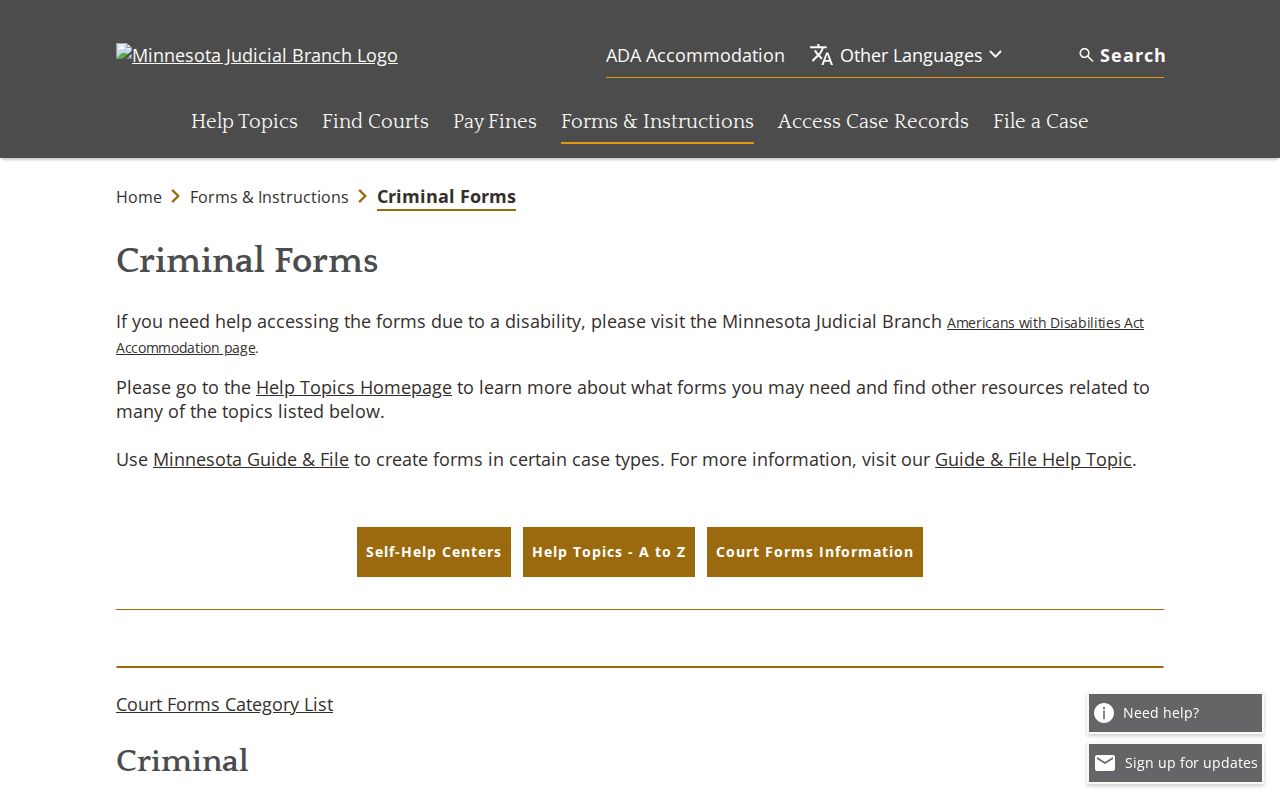
The form names are worth knowing. A Scott County clerk or an attorney will use them on the phone.
From Complaint to Scott County Arrest Warrant
Scott County arrest warrants never appear from thin air. A citation or a police investigation opens the file. Then a prosecutor drafts a complaint with the sworn facts behind the charge. A judge weighs those facts for probable cause. If the facts hold, the judge signs a Scott County warrant and sets release terms, or a summons goes out instead. State court rules let a warrant and its complaint share one form. That is why the charging papers and the warrant often travel together in one case file. Until service or an appearance, the arrest-warrant index can stay confidential under Minnesota law. That is routine. It signals nothing about the health of the case.
How Warrants Get Served in Scott County
Any authorized officer can serve a warrant. Service is police work in Scott County, and more than one agency may handle it. Minnesota Rule of Criminal Procedure 3.03 lets an officer execute a Minnesota warrant anywhere in the state. The officer need not carry the paper. But the officer must tell the person a warrant exists and name the charge.
| Agency | Role in a Scott County Warrant |
|---|---|
| Sheriff's Office Warrants Unit | County warrant information, jail custody, and service or transport as assigned |
| City police departments | Local enforcement and city citation or incident work |
| Sheriff Records | Law-enforcement reports and data, not court records |
| U.S. Marshals Service | Federal and cross-jurisdiction fugitive work, not county court files |
Which agency serves a given Scott County warrant depends on the case and the assignment. No office posts a warrant-by-warrant service list.
How Fast Scott County Arrest Warrants Move
Minnesota's criminal rules say an arrested person goes before the issuing court promptly. If court is not in session, the rule caps the wait at 36 hours after arrest, excluding the day of arrest, or as soon as a judge is free. That is a rule-level standard, not a county promise. Booking times, weekends, and judge availability shape what actually happens in a Scott County case. No office posts an intake schedule. Expect the timing to vary.
Key Rule: Minnesota Rule of Criminal Procedure 3.02 sets the prompt-appearance requirement and its exceptions, and the court record shows the actual next step in a case.
Arrest Warrants, Summonses, and Bench Warrants
Three documents move a case forward, and they arrive at different moments.
| Document | When It Appears | What It Means for the Person |
|---|---|---|
| Summons | At the start of a case, when the prosecutor asks for one | Appear on the listed date; a warrant can follow a failure to appear |
| Arrest warrant | When a judge signs after a probable-cause review | An officer may take the person into custody |
| Bench warrant | After a missed obligation in a case already open | Enforces the missed step and returns the person to court |
A summons is not an arrest, and a bench warrant is not a new charge. The Scott County case record controls which one applies.
Federal Warrants Sit Outside Scott County Court
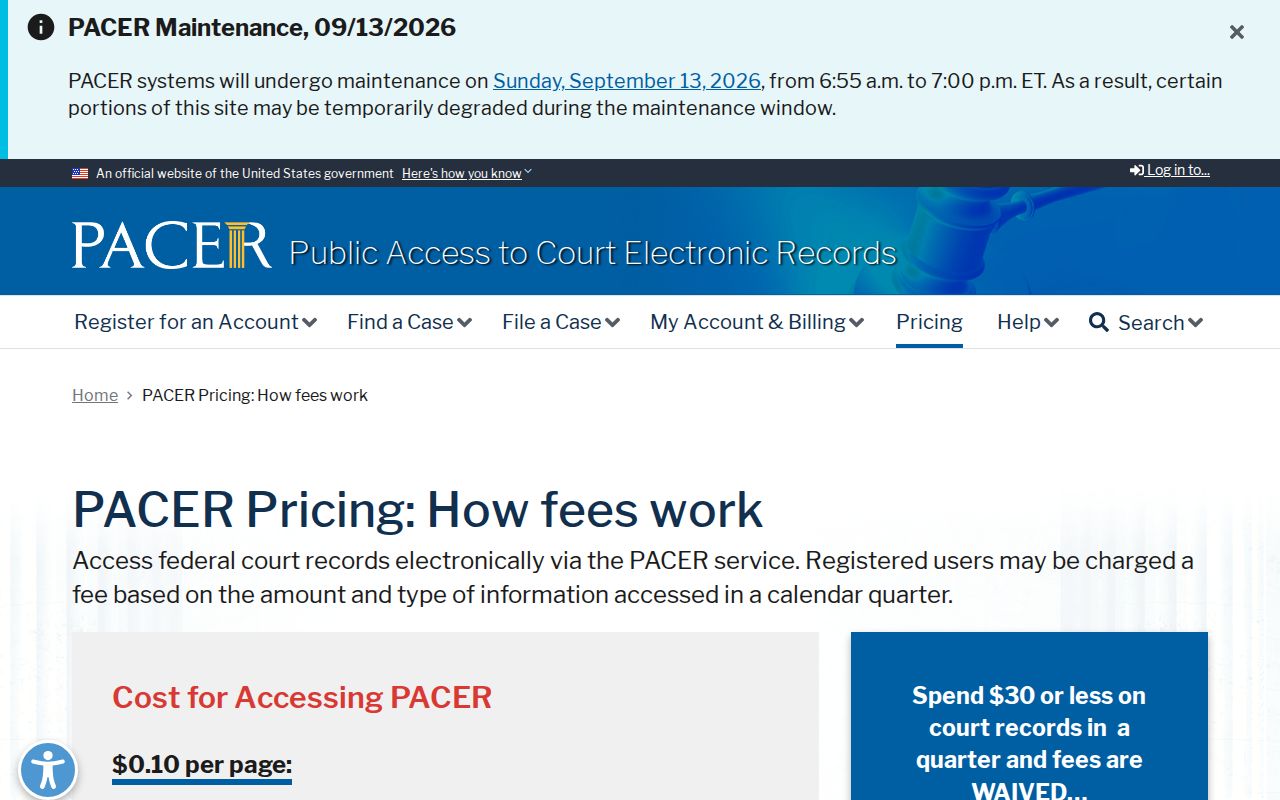
Scott County sits inside the U.S. District Court for the District of Minnesota. A federal warrant never touches the county system. Federal judicial officers issue those warrants. The U.S. Marshals Service handles fugitive work for the district. That split matters. Public access runs through federal dockets, not Scott County records. PACER charges a per-page fee, and a docket may show a complaint, an indictment, or a detention order while the warrant item stays sealed. The Marshals' district page says no fugitive information is open to the public there. CourtListener gives free docket copies when they exist. Federal access is priced and built differently from Minnesota court records, as the PACER pricing page explains.
A federal question never gets answered by the Scott County warrant line.
Handling an Arrest Warrant in Your Name
Now the paperwork gets personal. Minnesota court guidance warns that appearing in person in Scott County to ask about a warrant can end in custody. Sequence matters as much as the decision.
Important: Talk to a defense lawyer before turning yourself in. A planned surrender can be arranged around a court date and bond, while an unplanned one happens wherever an officer finds you.
The usual paths are clear. A lawyer can ask the court to recall it. A new hearing is another route, and so is an arranged surrender. Posting bond works when the court has set it. Scott County takes bail at the jail lobby, through an online option when bail is set, or through a licensed Minnesota bondsman. Call the warrant line with the person's full name and date of birth to learn the amount first. More resolution steps sit on the county warrant records home page.
Sealed Indictments and Missing Scott County Records
A blank result on a Scott County warrant search is not a clean bill of health. Some indictments stay sealed, and warrant paperwork in an index can remain closed until there is an arrest, service, or a court date. The issuing court is the only place that can say for sure. Records also vanish from view for dull reasons. A name spelled differently at filing, a gap in the public court system, or a document that never made it online all leave the same empty screen. So treat a silent search as unfinished, not final.
Note: Confirm status with the office that holds the record rather than trusting a search result in either direction.
Bond After Arrest in Scott County
Once a Scott County arrest turns on bond, the county's Bail and Bond page spells out the process in plain language. Cash or credit card works at the jail lobby. If a judge has set bail, an online service offers a pay-bond option too. A Minnesota-licensed bondsman may also post at the lobby. What the page leaves out is the practical stuff. It publishes no bond-window hours, no card fee, and no refund schedule, so calling the warrant line at 952-496-8314 is the smart first move. The same call settles whether the person must be booked before anyone posts bail. Keep in mind what bond does. It frees a person from custody, nothing more. The charge stands, and the next hearing date still counts.
A Warrant From Outside Scott County
Scott County handles Scott County's paperwork and nothing else. The county's Jail and Warrants page says it outright: details on a warrant issued anywhere else in Minnesota come from the jurisdiction that issued it. The same rule applies to warrants from another state. So start by pinning down the county or state where the charge was filed. Then call that court or sheriff and ask about any detainer, extradition question, or bond decision attached to the case. Those calls belong to the issuing authority, not to wherever the person happens to sit. A lawyer practicing in that issuing jurisdiction is often the quickest way to learn what comes next.